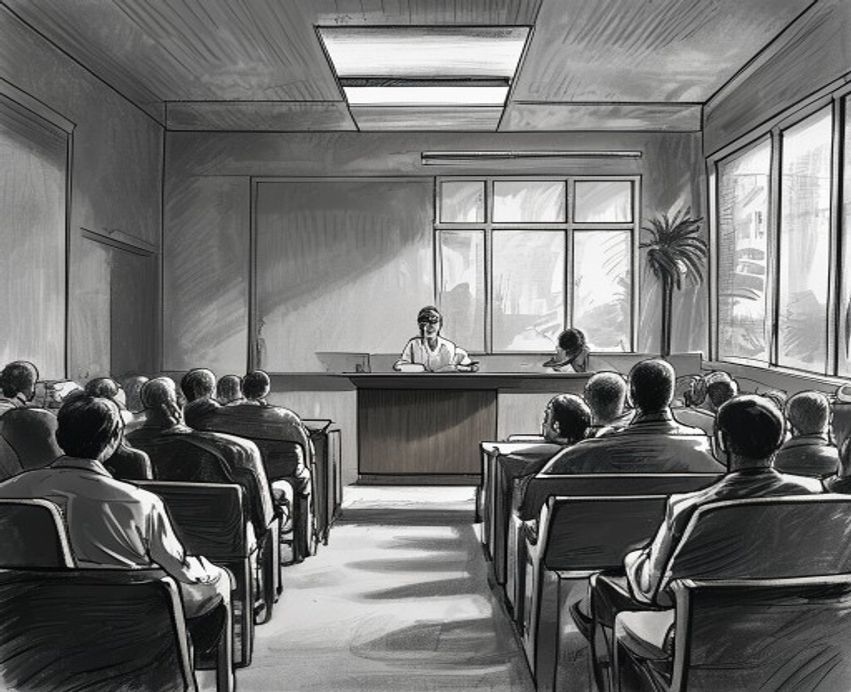
Miami-Dade Mayor Daniella Levine Cava is bringing the county's next fiscal crisis directly to residents, scheduling a pair of public town halls as the county braces for what could be another painful round of budget cuts and tough choices heading into the 2026-27 fiscal year.
The mayor's office announced two upcoming sessions under her ongoing "Conversation with Cava" series — one in Cutler Bay and one in Miami Gardens — designed to gather public input before the county formally begins hammering out its FY2026-27 spending plan. The meetings represent an early-stage attempt to get ahead of what analysts and county officials expect will be a contentious process.
The stakes are substantial. Miami-Dade's current 2025-26 budget already flagged a projected $94 million deficit for FY2027, a number that could grow depending on federal funding shifts, rising operational costs, and the county's ongoing structural revenue challenges. That warning shot came embedded in last year's budget documents, suggesting county planners have long anticipated a rough road ahead.
Last year's budget cycle offered a preview of what residents and county workers may face again. To close a deficit exceeding $400 million, Miami-Dade turned to a combination of employee layoffs, departmental consolidations, draws on financial reserves, and adjustments to transit fees — changes that rippled across county services and sparked significant public backlash. Transit riders in particular felt the impact as the county recalibrated fare structures and service configurations amid the fiscal pressure.
By scheduling town halls in Cutler Bay, a bedroom community in the county's southern reaches, and Miami Gardens, a majority-Black city in the northwest that relies heavily on county services and public transit connections, the mayor's office appears to be prioritizing voices from communities that have historically borne a disproportionate share of service reductions during lean budget years.
The town hall format gives residents an opportunity to weigh in before decisions are made rather than after — though critics of previous budget cycles have argued that public input has rarely translated into meaningful changes to the county's ultimate spending choices. Whether this cycle will be different remains an open question as Levine Cava navigates pressure from county commissioners, employee unions, and a public still adjusting to last year's cuts.
Fiscal year 2026-27 officially begins October 1, 2026, meaning the county must adopt a final budget by late September. The town halls arrive at a moment when the window for genuine public influence is still open — but it won't stay that way for long.
The original reporting on the mayor's town hall announcements was published by Political Cortadito.